
No matter what material yours is made of, or how well it’s constructed, eventually every roof will need to be replaced. It might be every 15 years, it might be every 75, but when the time comes to tackle the project, it shouldn't be put off.
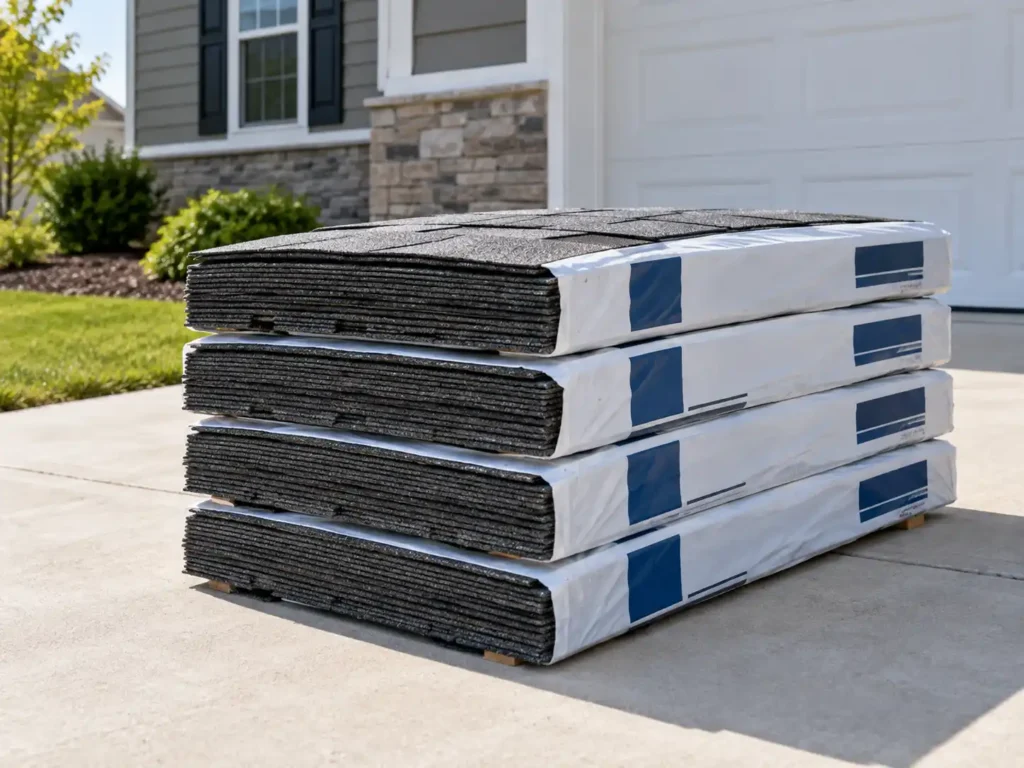
So, how long does a roof replacement take? For most standard homes with asphalt shingles, the actual installation is often completed within a short window;sometimes a single day and sometimes a few days, depending on the roof and conditions. The overall project takes longer because it also includes the initial inspection, material and scheduling coordination, permitting, and final inspection.
If you're planning a roof replacement in Wake Forest or Raleigh, knowing what happens at each stage can make the process feel much more manageable.
Table of Contents
A Typical Roof Replacement Timeline
The time required to replace a roof depends heavily on the home.
A relatively straightforward, standard-size house with an asphalt-shingle roof and good weather may be completed quickly. Larger homes, steep roofs, complicated layouts, or specialty materials can take considerably longer.
It's also important to distinguish between installation time and total project time. The hours or days a roofing crew spends on your roof are only one part of the timeline. Before work begins, your roof needs to be evaluated, materials selected and ordered, the project scheduled, and any required permitting addressed. Depending on the project, a final inspection may also be part of the process.
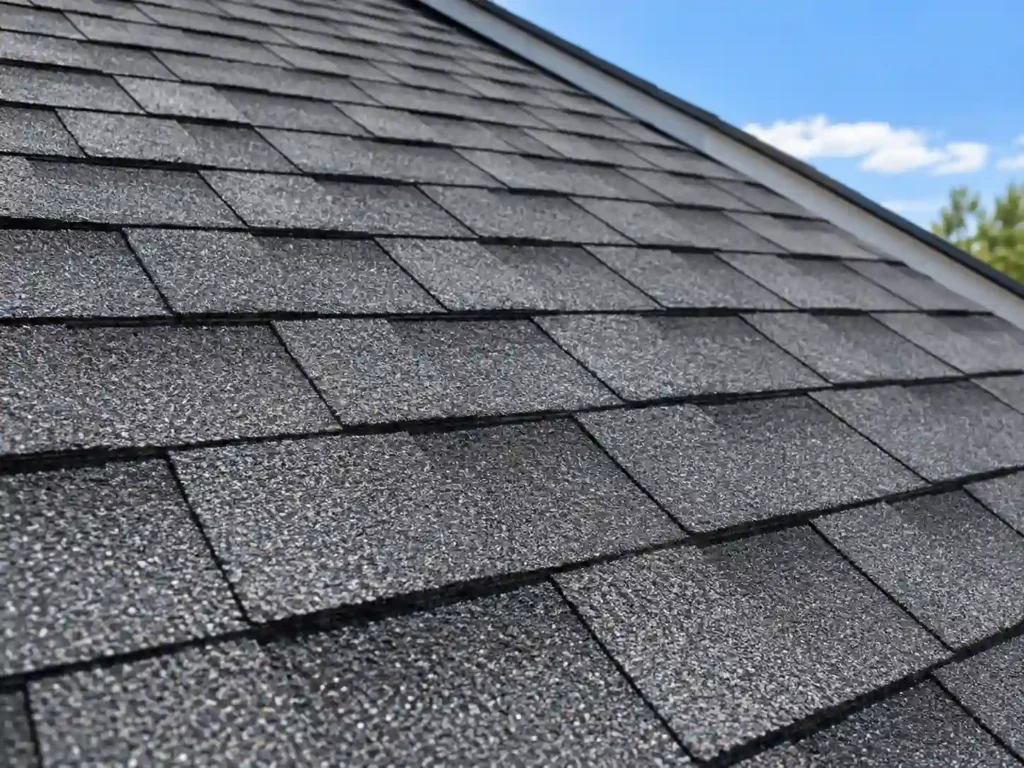
In other words, a roof replacement can be a relatively quick construction project (sometimes as little as two to three days), but all the steps from estimate to completion will add length to the timeline (for many homes, anywhere from two to four weeks).
What Affects How Long a Roof Replacement Takes
Several factors can change your roof replacement timeline. Here are some of the biggest ones.
Tear-Off vs. Overlay: Why It Matters for Timeline
When homeowners ask how long does it take to replace a roof on a house, it's worth investigating first whether the project involves a full tear-off or an overlay.
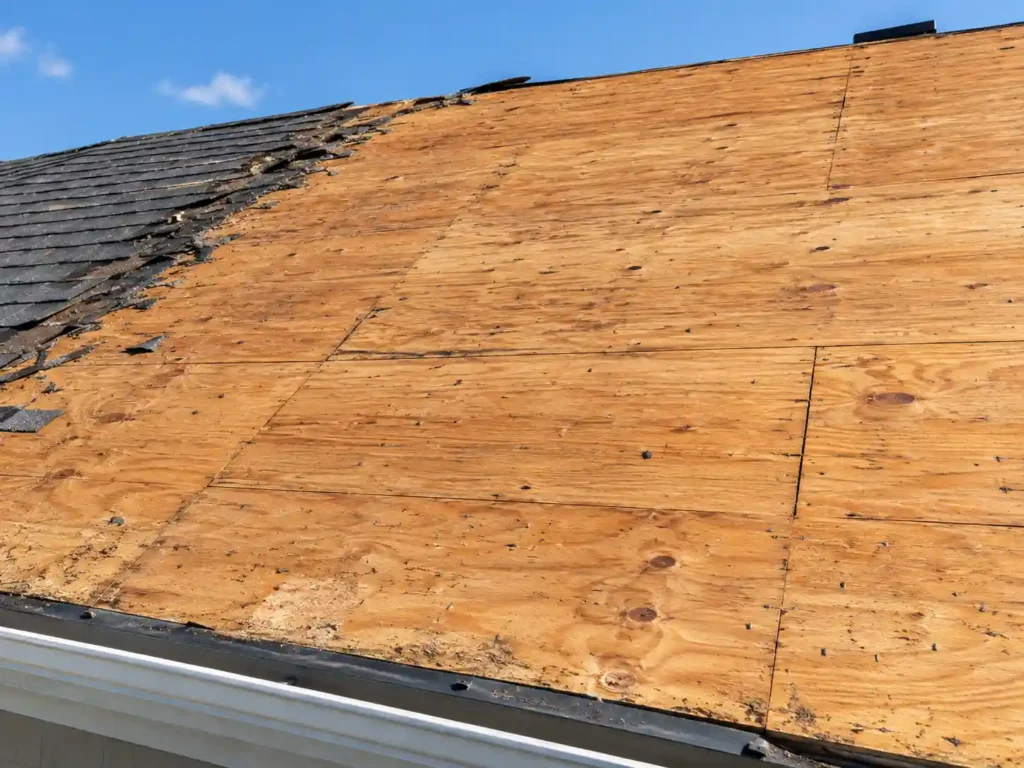
With an overlay, new shingles are installed over an existing layer of roofing. Because the old shingles don't have to be removed, the process can be faster. However, an overlay isn't appropriate for every roof. It can also leave underlying problems undiscovered.
A tear-off involves removing the existing roofing material down to the roof deck. This takes additional labor, but it gives the contractor an opportunity to inspect the decking, address damage, install new underlayment, and build the new roof over a properly evaluated surface.
There are also limits and requirements regarding how many roofing layers a home can have, so the right approach depends on the existing roof and applicable requirements.
What Happens on Roof Replacement Day ; Step by Step
Wondering what the roof replacement process actually looks like? Here's a simplified look at what typically happens.
Prep and protection: The crew prepares the work area and protects landscaping, siding, windows, and other vulnerable areas. Materials and equipment are staged, and a dumpster may be positioned for debris.
Tear-off: If the project calls for a full replacement, the old roofing is removed and hauled away.
Deck inspection and repair: Once the old material is off, the roof decking can be inspected. Any damaged areas that need attention are addressed before installation continues.
Underlayment and flashing: New underlayment is installed, along with appropriate water-protection materials and flashing around roof penetrations and other vulnerable areas.
New roofing installation: The new shingles or other selected roofing material is installed, working systematically across the roof.
Cleanup and final inspection: The crew removes debris and performs a thorough cleanup. A magnetic sweep can help collect stray roofing nails, and the completed work is checked before the project is considered finished.
What Homeowners Should Prepare For
A roof replacement is a construction project, so there will be some noise and activity around your home. Expect hammering, movement on the roof, and vibrations during installation. If you work from home, have small children, or have pets that are sensitive to noise, it may be worth planning around the loudest parts of the project.
A few simple preparations can make the experience easier:
Keep your driveway clear so the crew can access the home and stage materials or a dumpster.
Move vehicles away from the work area.
Secure fragile items on walls or shelves that could be affected by vibration.
Consider covering belongings stored in the attic to protect them from dust or small debris.
Keep pets safely inside and away from the work area.
In most cases, homeowners can remain in the house while the roof is being replaced. Your roofing contractor can let you know if your particular project requires different arrangements.
North Carolina Weather Considerations
Wake Forest and Raleigh homeowners have another factor to consider: North Carolina weather can change quickly.
Summer brings heat and frequent afternoon thunderstorms, so crews may plan work around the safest and most productive portions of the day. Severe storms and hurricane-season activity can also create periods of higher demand for roofing contractors, particularly after widespread storm damage.
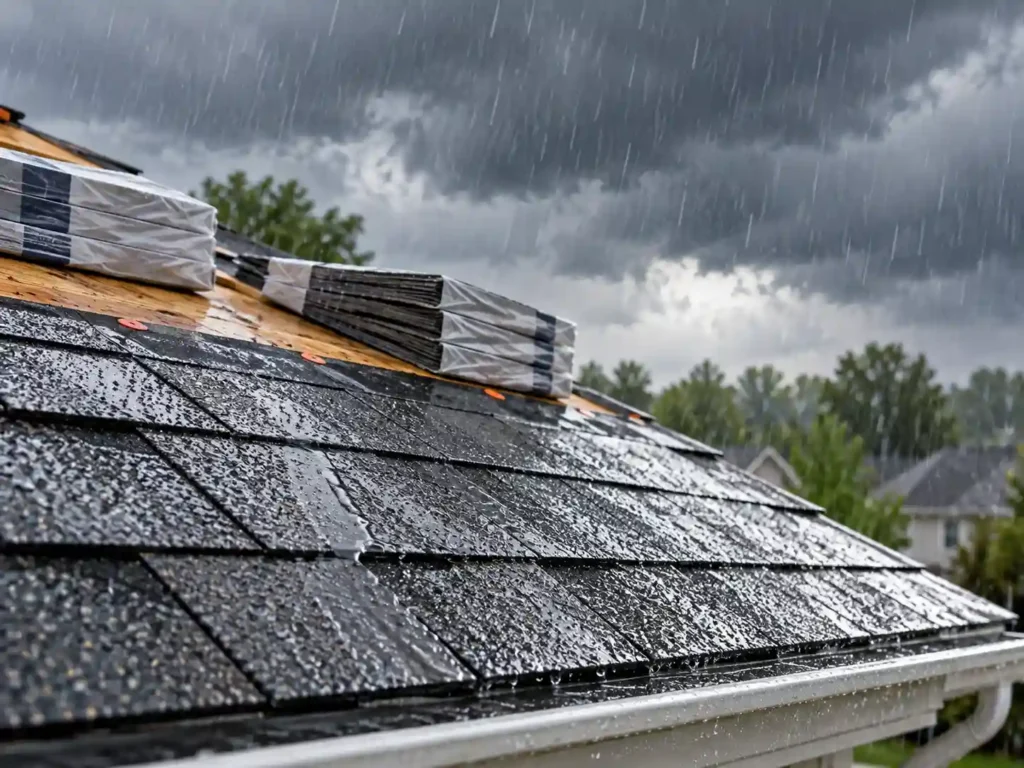
Spring and fall often provide favorable conditions for roofing work, making them good seasons to start planning if your roof is nearing the end of its service life.
Of course, favorable weather doesn't guarantee a particular installation date. Your contractor will need to work with the actual forecast and conditions surrounding your project.
Get a Roof Replacement Timeline for Your Home
So, how long does a roof replacement take? The honest answer is that it depends on your specific roof. A standard asphalt-shingle roof can often be installed quickly, but size, pitch, complexity, material, weather, permitting, and hidden decking damage can all change the schedule.
The best way to get a realistic timeline is to have your roof evaluated in person.
ABJ Roofing provides roof replacement services for homeowners in Wake Forest, Raleigh, and surrounding Triangle communities. If you're dealing with an aging roof, storm damage, or a roofing problem that has you wondering whether replacement is necessary, our roof replacement services can help you understand your options and plan the project.
Ready to find out how long your roof replacement could take? Contact ABJ Roofing to schedule an inspection and get a timeline based on your actual home.