
When it comes to protecting your home from water damage, some of the most important roofing components are also the most overlooked. One of those components is kick-out flashing.
Many homeowners have never heard of kick-out flashing until they experience costly water damage. Unfortunately, by then, the repairs often extend far beyond the roof itself.
Table of Contents
What Is Kick-Out Flashing?
Kick-out flashing is a specialized piece of flashing installed where a roof edge meets a vertical wall. Its purpose is to direct water away from the wall and into the gutter system.
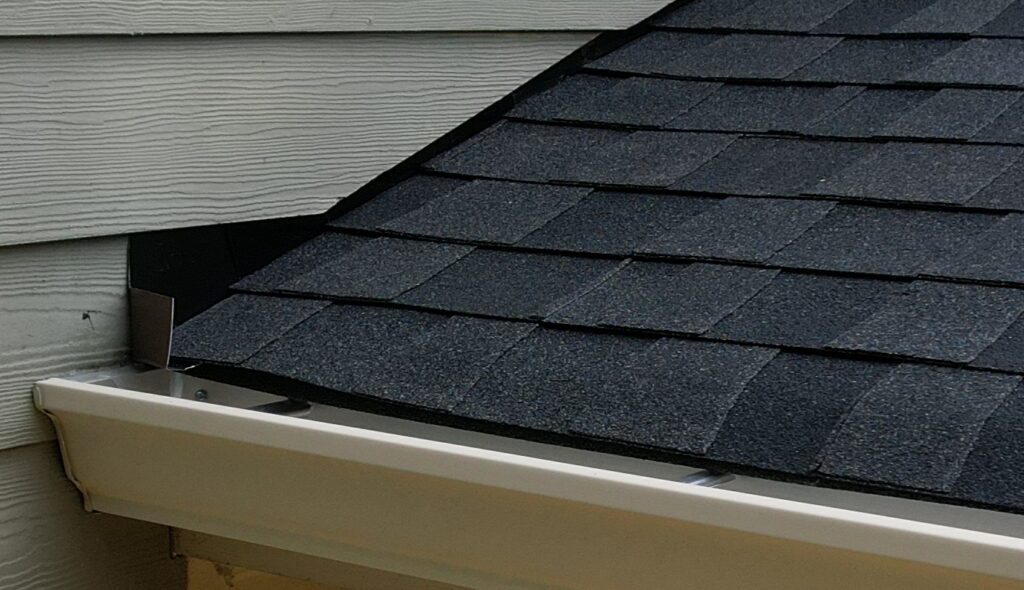
Without kick-out flashing, rainwater running down the roof can bypass the gutter and flow directly behind the siding. Over time, this trapped moisture can cause:
- Rotting sheathing and framing
- Damaged siding
- Mold and mildew growth
- Interior water damage
- Structural deterioration
Because the damage occurs behind the siding, homeowners often do not realize there is a problem until significant repairs are needed.
A Real-Life Example
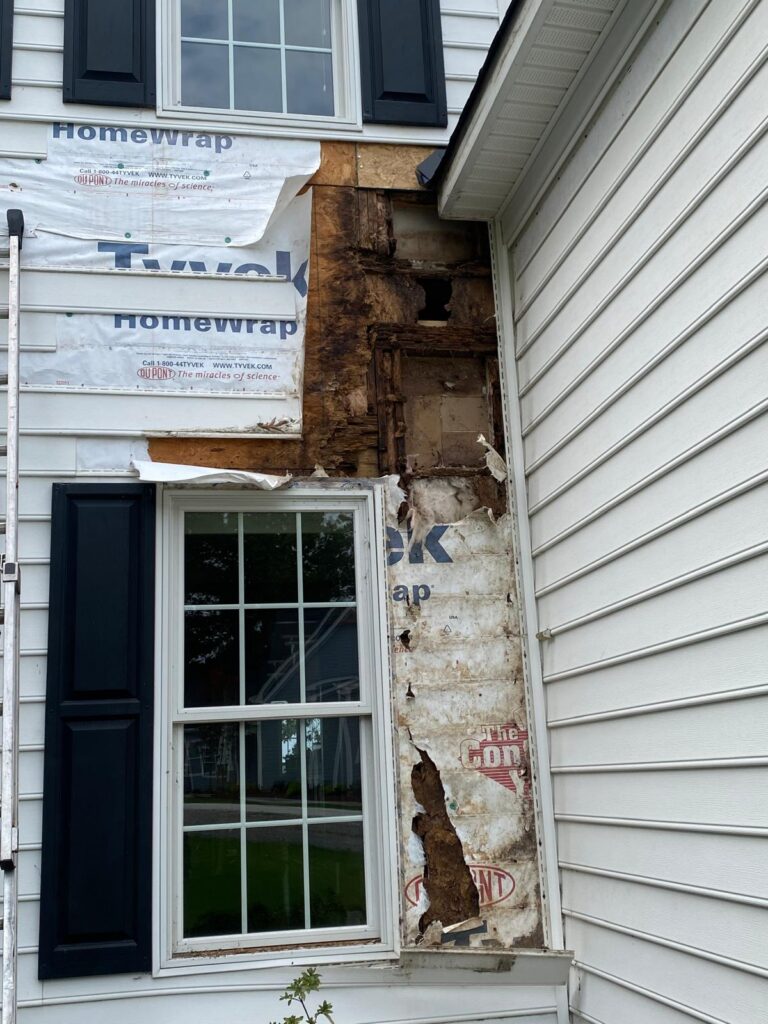
Recently, we were contacted by a homeowner who was experiencing issues with a wall on the side of his home. After our inspection, we discovered that the roof-to-wall transition did not have a properly installed kick-out flashing.
For years, rainwater had been running down the roof and directly behind the siding instead of being directed into the gutter. The homeowner had no idea this was happening because the damage was hidden.
By the time we were called, the entire wall had extensive rot. The sheathing, framing, and portions of the exterior wall system had been compromised due to prolonged water exposure.
What could have been prevented with a relatively inexpensive piece of flashing resulted in a major repair project involving roofing, siding, and structural repairs.
This is one of the most common examples of why proper flashing details matter.
Signs You May Be Missing Kick-Out Flashing
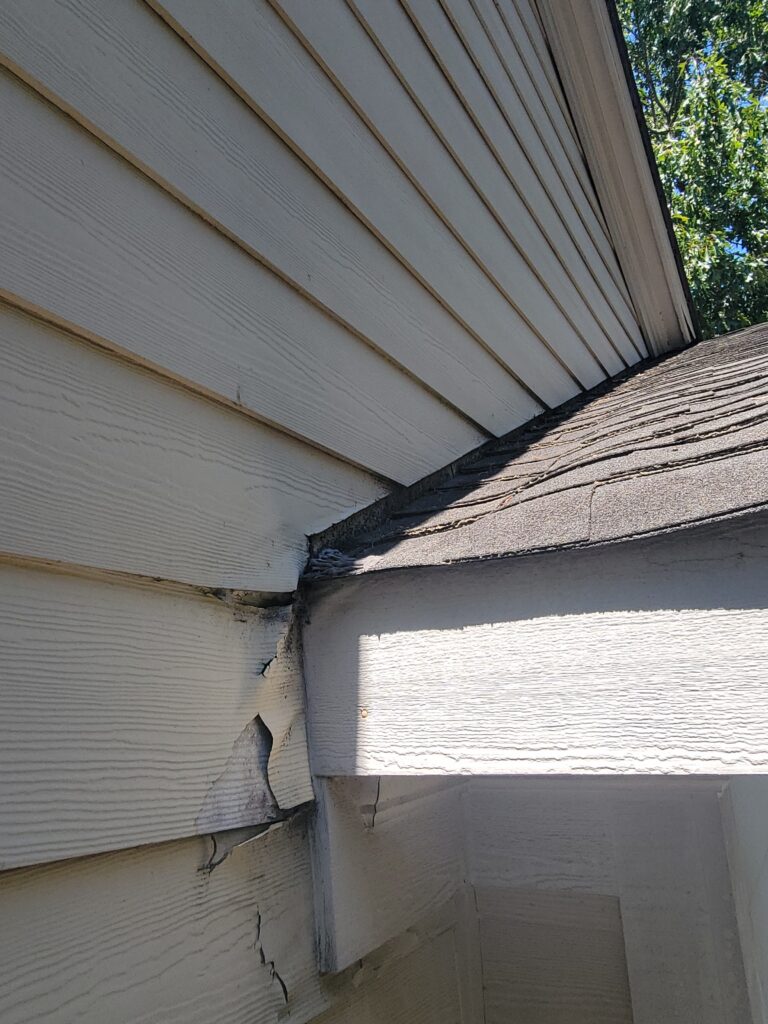
Some indicators that your home may have a kick-out flashing issue include:
- Stained or damaged siding below a roof-to-wall intersection
- Peeling paint near roof lines
- Soft or rotted wood trim
- Mold or mildew growth on exterior walls
- Water stains inside adjacent rooms
- Excessive moisture around windows near roof intersections
Even if you do not see these signs, it is worth having your roof inspected if your home is older or if previous roofing work was performed without attention to flashing details.
Why Proper Installation Matters
Installing kick-out flashing is not just about adding a piece of metal. It must be properly integrated with:
- Step flashing
- Underlayment
- House wrap or weather-resistant barrier
- Gutters
If any of these components are installed incorrectly, water can still find its way behind the siding.
At ABJ Roofing, we pay close attention to these details during roof replacements and roof repairs. We understand that a roof is more than just shingles. The flashing system is what keeps water moving where it belongs.
Protect Your Home Before Damage Occurs
A missing kick-out flashing may seem like a small issue, but it can lead to thousands of dollars in repairs if left unaddressed. The cost of installing proper flashing is minimal compared to the cost of replacing rotted walls, siding, and structural components.
If you are unsure whether your home has properly installed kick-out flashing, contact ABJ Roofing for an inspection. Identifying these issues early can save you from extensive and costly repairs down the road.
A properly installed roof is only as good as its flashing details, and kick-out flashing is one of the most important details of all.
We Can Help You
"*" indicates required fields