
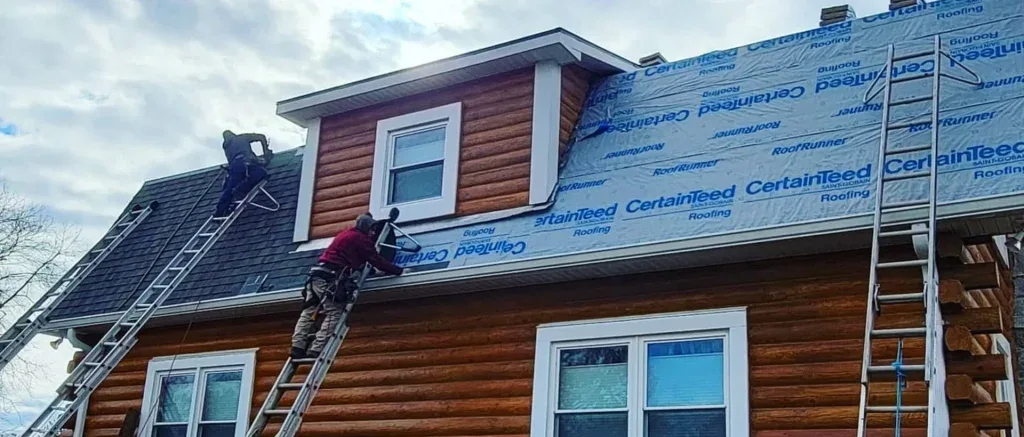
Roof flashing is one part of a roof system that helps keep water from entering the home. It is installed around areas where leaks commonly happen, including chimneys, skylights, roof valleys, vents, and roof-to-wall transitions. Flashing is usually made from materials like aluminum, galvanized steel, or copper and helps direct water away from vulnerable areas before it can work its way under the roofing materials.
When flashing is damaged, missing, or installed incorrectly, it can lead to roof leaks, wood rot, mold, and other moisture problems over time. Proper installation and maintenance help protect the roof system and the home underneath it. Our team has been roofing since 1993 and can help with everything from roof repairs to full roof replacements.
Table of Contents
Types of Roof Flashing
Different parts of a roof require different types of flashing depending on how water flows across the surface and where the roof meets other materials or penetrations. Each type serves a specific purpose in helping direct water away from vulnerable areas that commonly develop leaks over time.
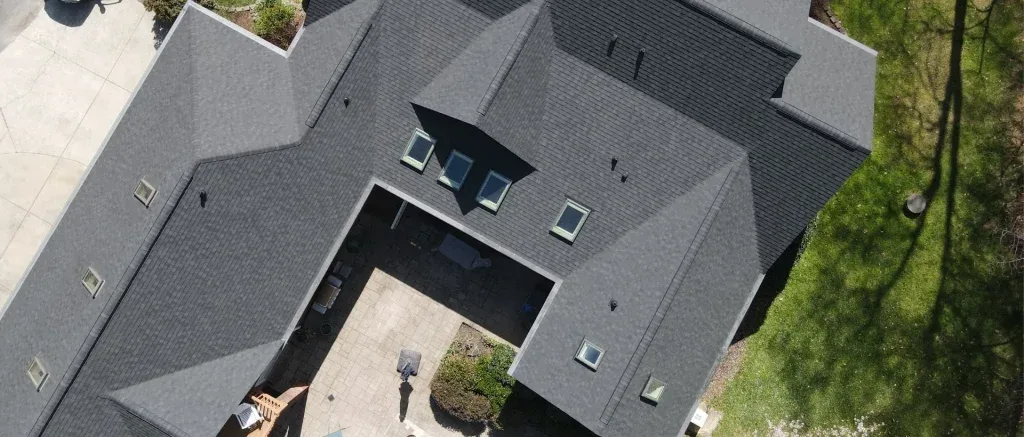
Step Flashing
Step flashing is used where the roof meets a wall. The metal pieces are layered between shingles in a step pattern to keep water from working its way behind the siding or into the roof system.
Chimney Flashing
Chimney flashing seals the area where the chimney comes through the roof. Since chimneys are one of the most common areas for leaks to develop, proper flashing here matters a lot.
Valley Flashing
Valley flashing runs through roof valleys where two roof slopes meet. Because these areas carry a large amount of rainwater during storms, flashing helps move water down the roof instead of underneath the shingles.
Vent Pipe Flashing
Vent pipe flashing seals around plumbing vents and other roof penetrations. When these seals crack or wear out, they can quickly become a source of roof leaks.
Drip Edge Flashing
Drip edge flashing runs along the roof edges and helps direct water into the gutters instead of behind the fascia boards. It also helps protect the roof edge from moisture damage and rot.
Skylight Flashing
Skylight flashing seals the area around the skylight where it meets the roof. Since skylights create a direct opening through the roofing system, proper flashing is important for preventing leaks.
Wall Flashing
Wall flashing is used where roofing materials meet a vertical wall. It helps keep water from getting behind siding, trim, or other exterior materials in those transition areas.
Roof Flashing Problems Can Lead to Bigger Repairs
Many roof leaks do not start in the middle of the shingles. They usually start in areas where the roof changes direction or has an opening, such as chimneys, skylights, walls, valleys, and vents. That is why flashing matters so much.
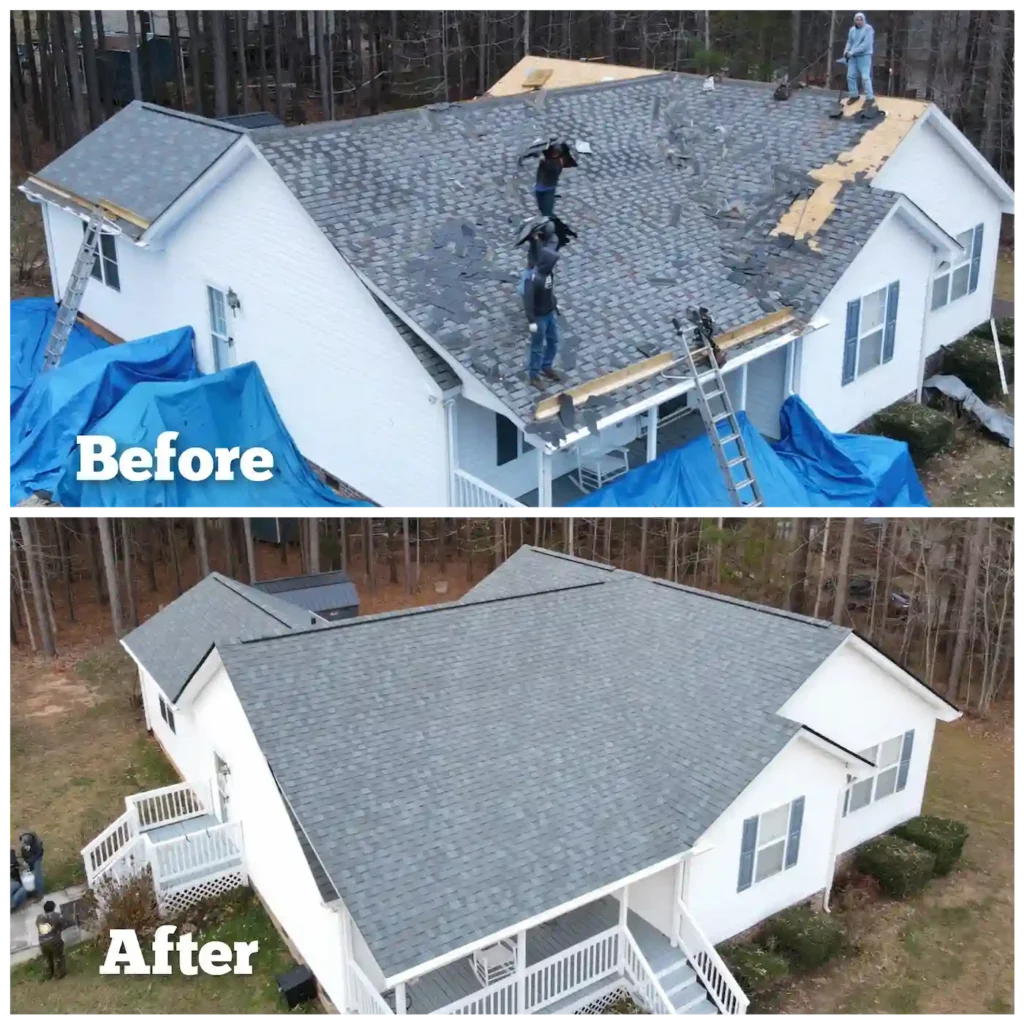
When flashing is damaged or installed incorrectly, water can slowly seep beneath the roofing materials, eventually damaging the wood under the roof. In many cases, homeowners do not notice the problem until there are stains on ceilings, soft spots in the decking, or visible leaks inside the home.
During roof replacements, we regularly find older flashing that is rusted, loose, patched multiple times, or improperly installed from the start.
FAQs
How long does flashing last on a roof?
Roof flashing can last a long time when installed correctly and made from quality materials such as aluminum, galvanized steel, or copper. But flashing still takes a beating from rain, temperature changes, storms, and roof repairs over the years.
Eventually, flashing can start rusting, separating, cracking around seals, or pulling away from the roof, especially on older roofing systems.
What happens if you don't have roof flashing?
Without roof flashing, water can get into some of the most leak-prone areas of the roof, especially around chimneys, skylights, valleys, vents, and roof-to-wall transitions. Once water gets underneath the roofing materials, it can lead to leaks, rotted wood, mold growth, ceiling stains, and damage to the roof decking or siding.
What are the benefits of flashing a roof?
Roof flashing helps move water away from areas where leaks commonly happen. It protects vulnerable parts of the roof system around penetrations, roof edges, valleys, and transitions where different materials meet. Proper flashing installation helps reduce the chances of water damage and can help the roof system last longer overall.
How do I know if roof flashing is damaged?
Signs of damaged roof flashing can include water stains on ceilings, leaks around chimneys or skylights, loose flashing, rust, cracked sealant, or shingles lifting around roof penetrations. In some cases, flashing problems are not visible from the ground and are only discovered during a roof inspection.
Can roof flashing be repaired without replacing the roof?
Sometimes flashing can be repaired without replacing the whole roof, especially if the issue is isolated and the shingles around it are still in decent shape. But on older roofs, it is often smarter to replace the flashing during a roof replacement rather than continue patching problem areas.
Protect Your Roof From Water Damage
A lot of roof leaks start around chimneys, skylights, valleys, vents, and roof edges, not out in the middle of the shingles. In many cases, damaged flashing or old sealants are what allow water to get underneath the roofing materials and start causing problems.
At ABJ Roofing, we have been helping homeowners throughout the Raleigh area since 1993. Whether you are dealing with a roof leak, damaged flashing, or planning a roof replacement, our team can inspect the roof and help identify the source of the issue. Fill out the form below or call (919)-671-4418 to schedule an inspection.
We Can Help You
"*" indicates required fields