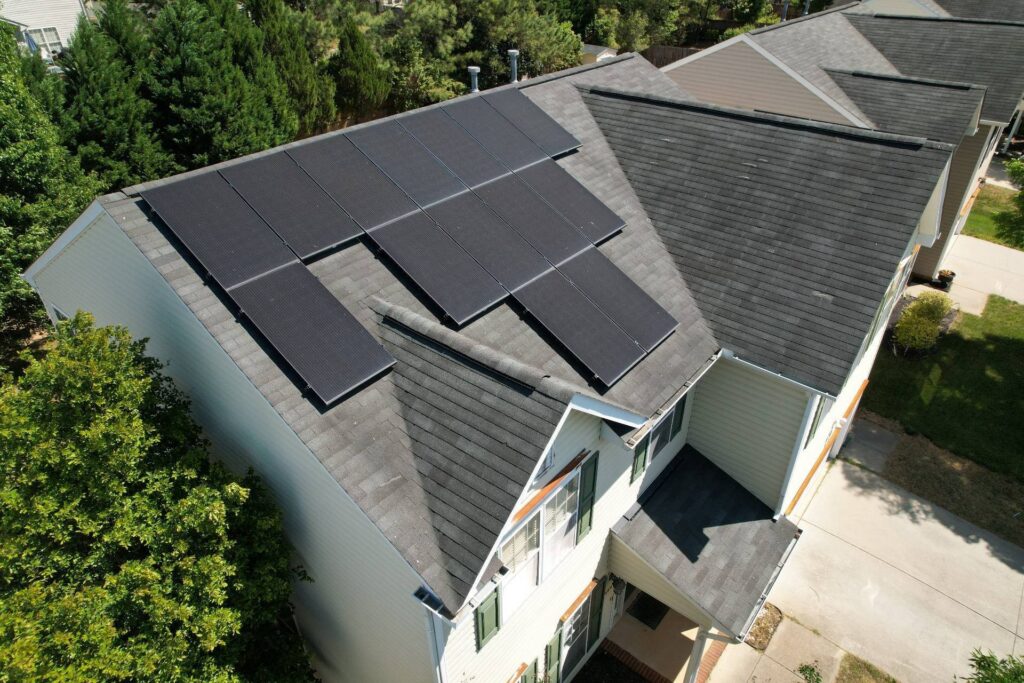
Solar panels can be a great way to reduce energy costs and make your home more energy-efficient. However, when it comes to your roof, there are several important factors homeowners should consider before installing a solar system.
As roofing contractors, we are not against solar energy. Our concern is making sure homeowners understand how solar panels can affect their roof, future repairs, maintenance, and warranties.
Here are some of the main reasons roofers recommend carefully evaluating your roof before installing solar panels.
1. Solar Panels Can Make Roof Repairs More Complicated
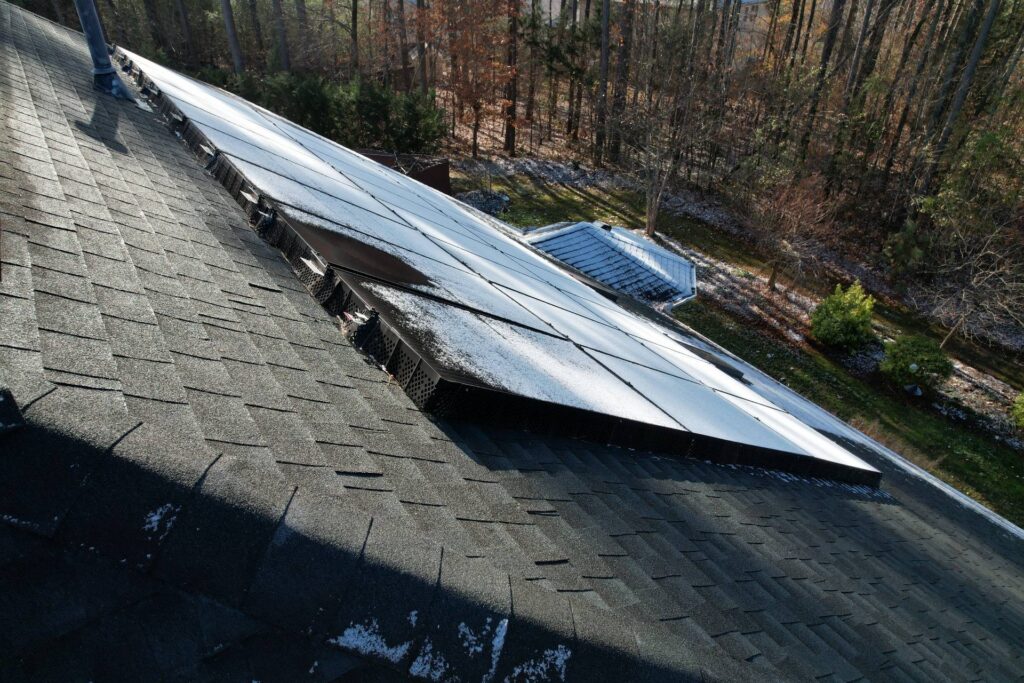
Once solar panels are installed, accessing the shingles underneath them becomes much more difficult.
If a leak develops or damaged shingles need to be replaced, the solar panels may need to be temporarily removed before the roofer can properly inspect and repair the affected area. After the roofing work is completed, the solar system then has to be reinstalled.
This can turn what would normally be a straightforward roof repair into a larger and potentially more expensive project.
2. Roof Replacement Becomes More Expensive
Every asphalt shingle roof eventually needs to be replaced.
If solar panels are already installed when that time comes, they typically need to be removed before the existing roofing materials can be torn off. Once the new roof is completed, the panels must be reinstalled.
This means coordinating between the roofing contractor and a qualified solar contractor, which can add time and additional costs to the roof replacement.
For this reason, installing solar panels on an older roof may not always make financial sense.
3. Roof Penetrations Can Create Potential Leak Points
Many solar mounting systems require attachments to be secured directly into the roof structure.
When properly installed and flashed, these attachments are designed to prevent water intrusion. However, any penetration through a roofing system creates another area that must remain properly sealed throughout the life of the roof.
Poor installation, damaged flashing, deteriorated sealants, or future movement can potentially create opportunities for water to enter the roofing system.
4. Finding a Roof Leak Can Become More Difficult
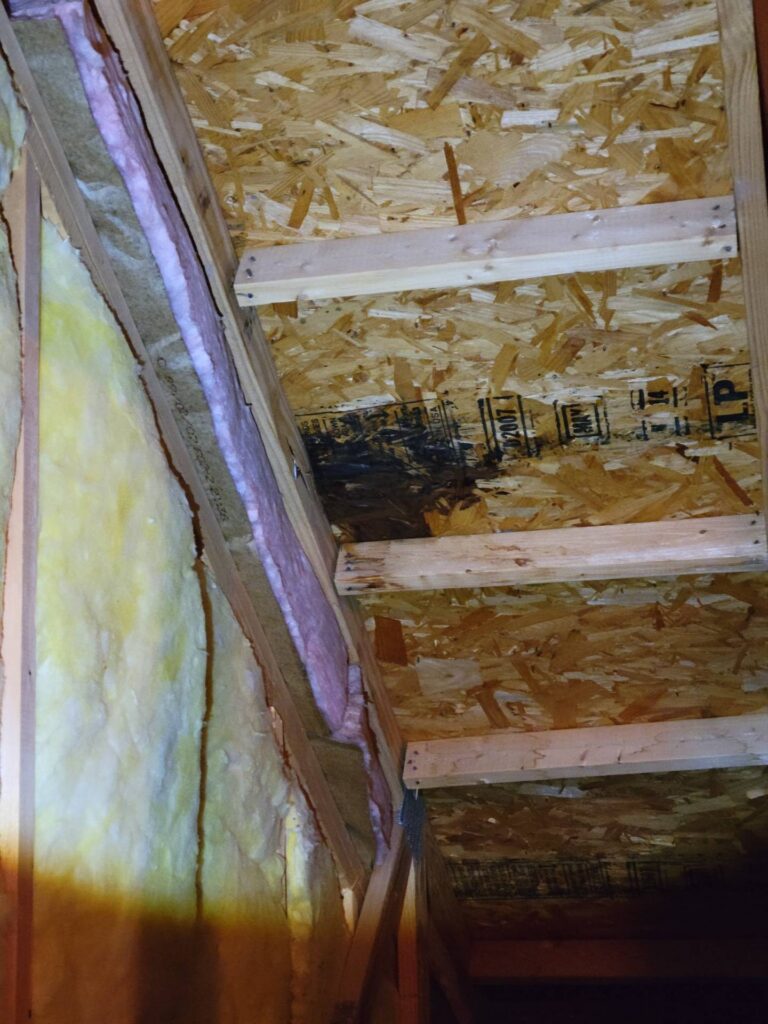
Roof leaks are not always directly above where water appears inside the home. Water can travel along decking, rafters, and other building components before becoming visible.
Solar panels can make diagnosing these leaks more difficult because they cover large portions of the roofing system. A roofer may not be able to fully inspect the shingles, flashing, or mounting points without removing some of the panels.
5. Solar Installation Can Affect Roofing Warranties
Homeowners should review both their roofing manufacturer's warranty and their roofing contractor's workmanship warranty before installing solar panels.
Damage caused by another contractor, improper roof penetrations, or modifications to the roofing system may not be covered under an existing roofing warranty.
Before installing solar panels, ask both your roofer and solar company how the installation could affect your current warranty coverage.
6. Solar Panels Can Hide Developing Roof Problems
Shingles, flashing, plumbing boots, and other roofing components need to be inspected periodically.
Once solar panels cover a section of the roof, visually inspecting those areas becomes more difficult. Problems underneath the panels may go unnoticed until there are more obvious signs, such as water intrusion.
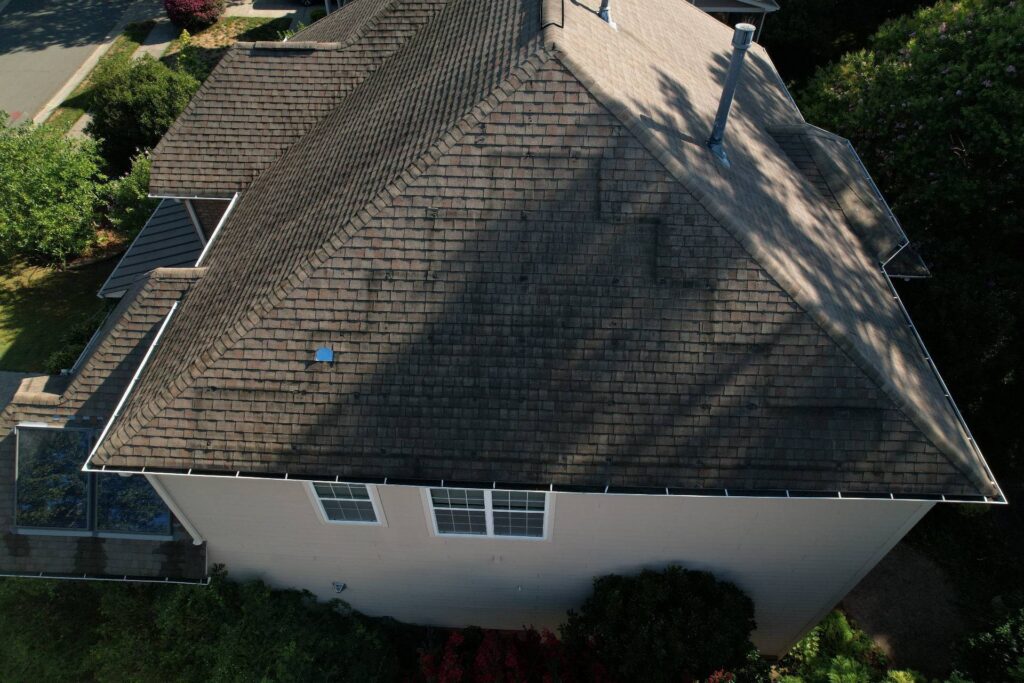
7. The Age of Your Roof Matters
One of the biggest recommendations we can give homeowners is to consider the age and condition of the roof before installing solar panels.
If your roof is approaching the end of its expected service life, replacing it before installing solar panels may save you significant trouble later.
Imagine installing a solar system today only to discover five years later that your shingles need to be replaced. You would then have to pay to remove the solar panels, replace the roof, and reinstall the solar system.
Having the roof professionally inspected beforehand can help prevent this situation.
Should You Avoid Solar Panels Completely?
Not necessarily.
Solar panels and roofing systems can work together successfully when the installation is properly planned. The key is making sure your roof is in good condition before anything is installed.
Before installing solar panels, we recommend:
- Having the roof professionally inspected
- Determining the approximate remaining life of the roof
- Repairing existing roofing issues first
- Considering roof replacement if the roof is already aging
- Reviewing your roofing and solar warranties
- Asking exactly how the solar mounting system will be attached and flashed
- Understanding who will be responsible for removing and reinstalling the panels if future roofing work is needed
Protect Your Roof Before Going Solar
Your roof is one of the most important systems protecting your home. Solar panels are a major investment as well, so it makes sense to ensure the two systems are compatible before moving forward.
At ABJ Roofing, we recommend having your roof inspected before installing solar panels. We can evaluate the condition of the shingles, flashing, decking, and other roofing components and help determine whether repairs or replacement should be considered before the solar installation.
Planning ahead can save you from unnecessary expenses and complications in the future.
Thinking about installing solar panels? Have your roof checked first. Contact ABJ Roofing to schedule a roof inspection.