
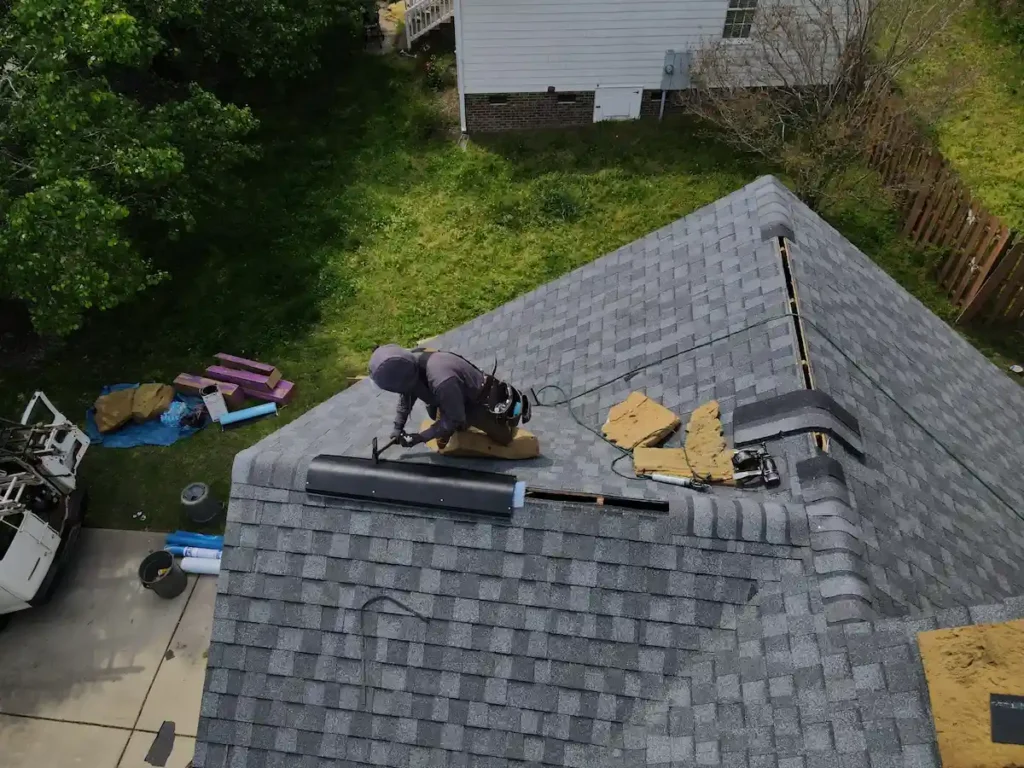
Proper attic ventilation does a lot more than most homeowners realize. It helps heat and moisture escape from the attic, which can affect everything from shingle lifespan to mold growth and roof leaks. One of the biggest parts of that system is the ridge vent that runs along the peak of the roof.
A lot of ridge vents look similar from the ground, but not all of them provide the same level of protection. There is a major difference between filtered and unfiltered ridge vent systems, especially during heavy rain, high winds, and changing weather conditions.
At ABJ Roofing, we install CertainTeed filtered ridge vent systems because they help protect the attic from moisture, debris, and pests while still allowing the roof to ventilate properly.
Table of Contents
What Is Ridge Vent?
A ridge vent runs along the peak of the roof and allows heat and humidity to escape from the attic. When paired with intake ventilation like soffit vents, it creates continuous airflow through the attic instead of trapping heat and moisture inside.
Proper attic ventilation does a lot more than most homeowners realize. It helps heat and moisture escape from the attic, which can affect everything from shingle lifespan to mold growth and roof leaks. One of the biggest parts of that system is the ridge vent that runs along the peak of the roof.
The Problem with Unfiltered Ridge Vent
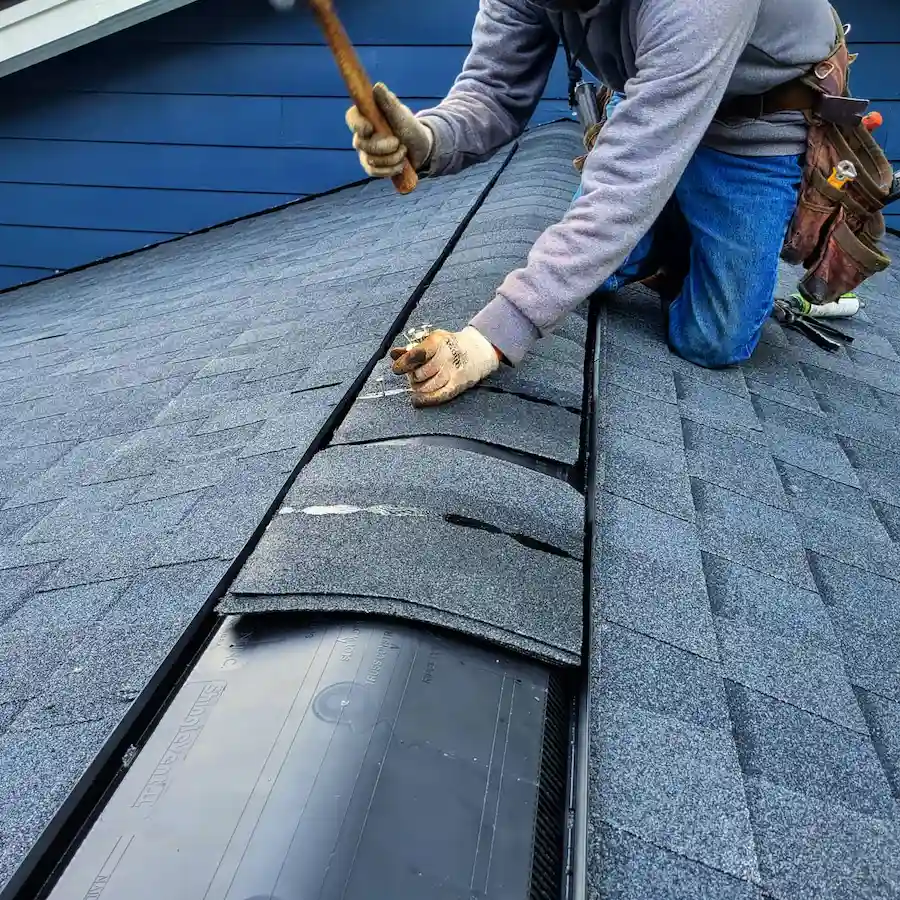
Unfiltered ridge vents allow attic air to escape, but they also leave the ridge opening more exposed to outside elements. During heavy rain, strong winds, or storms, moisture can sometimes make its way into the attic space. Dust, debris, insects, and even small pests can also become a problem.
Moisture and debris can start building up around the ridge vent and affect how well the attic ventilates. In some cases, that can lead to damp insulation, staining on the roof decking, or leaks showing up inside the house.
Why Filtered Ridge Vent Is the Better Option
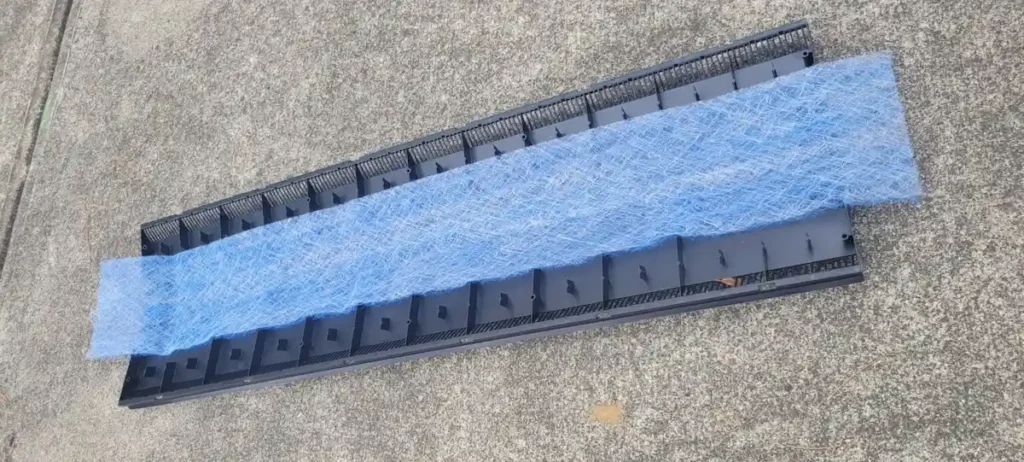
Filtered ridge vent systems are designed to improve attic ventilation while also helping block outside elements from entering the roof system. Unlike unfiltered vents, they include a built-in filter material that allows airflow to pass through while reducing the amount of moisture, debris, and pests that can get into the attic.
At ABJ Roofing, we install CertainTeed filtered ridge vent systems because they do a better job keeping out wind-driven rain, debris, insects, and other outside elements while still allowing the attic to ventilate properly.
That added protection can help keep the attic drier, reduce moisture-related problems, and improve the overall performance of the ventilation system.
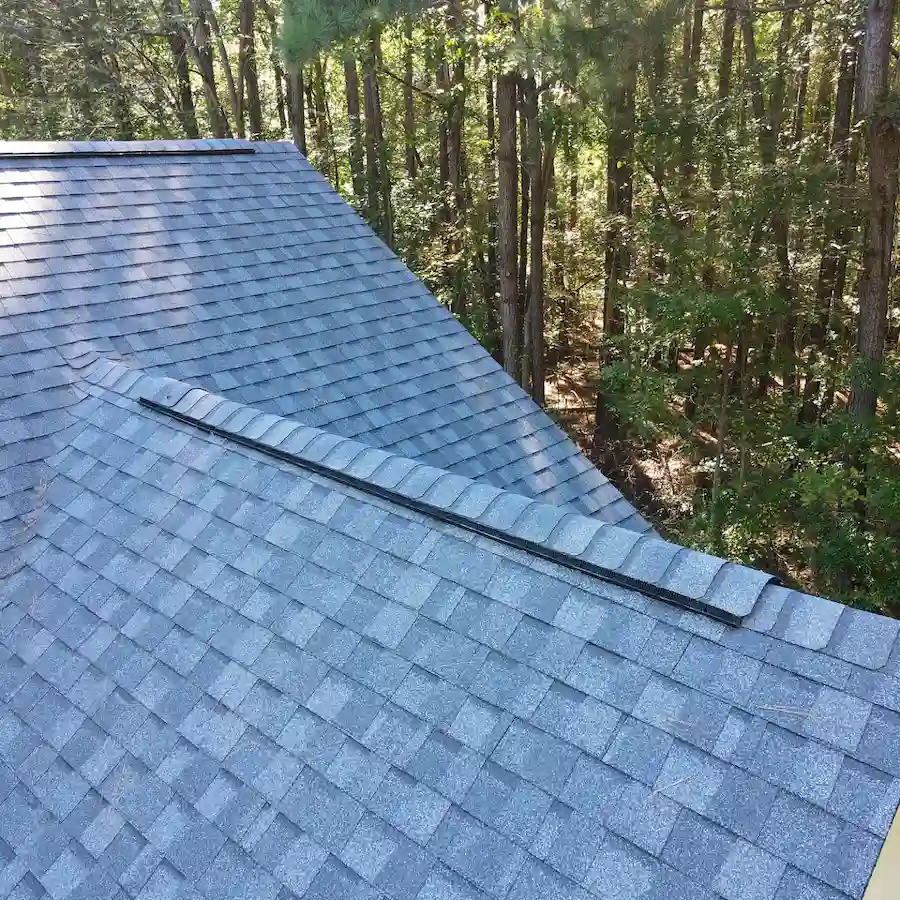
How to Check If You Have Filtered Ridge Vent
It is usually pretty easy to tell whether your roof has filtered ridge vent installed. A quick look inside the attic can often give you the answer.
Why Proper Attic Ventilation Matters
Your attic ventilation system has a direct impact on the overall health of the roof. When heat and moisture cannot escape properly, it can eventually affect shingles, roof decking, insulation, and other parts of the home.
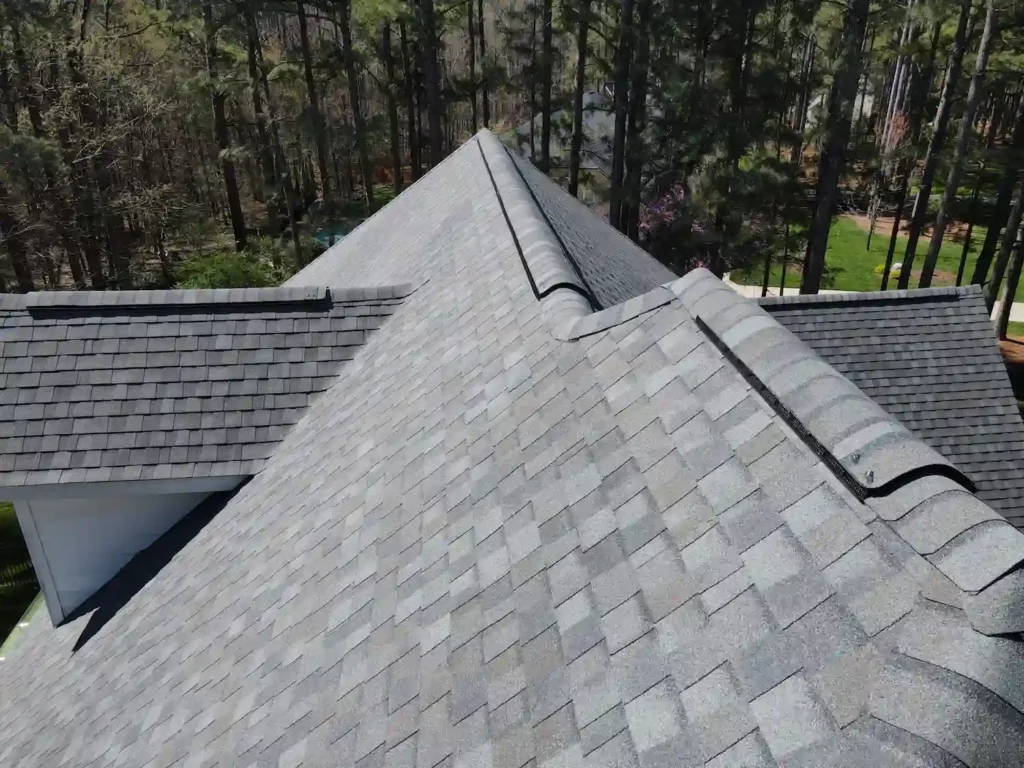
A quality filtered ridge vent system helps maintain consistent airflow while reducing the chances of moisture buildup, debris intrusion, and ventilation-related roofing problems. It can also help improve attic conditions year-round and reduce the risk of avoidable moisture damage inside the roof system.
Frequently Asked Questions
How do I know if my ridge vent is working properly?
One of the biggest signs of poor attic ventilation is excessive heat in the attic during warmer months. Moisture buildup, musty odors, mold, or visible staining on the roof decking can also point to ventilation problems. In some cases, shingles may start aging faster than expected because heat is getting trapped inside the attic.
Can ridge vent help lower energy bills?
Proper attic ventilation can help reduce heat buildup inside the attic, especially during the summer. When attic temperatures stay lower, the home can be easier to cool and the HVAC system does not have to work as hard.
Do all roofs need ridge vent?
Not every roof uses the same ventilation setup, but ridge vent is one of the most common systems used on modern asphalt shingle roofs. When paired with soffit vents, it creates continuous airflow through the attic.
What is the difference between filtered and unfiltered ridge vent?
Filtered ridge vent includes a built-in filter material that helps block rain, snow, insects, and debris while still allowing airflow through the attic. Unfiltered ridge vent leaves the ridge opening more exposed to outside elements.
Should ridge vent be replaced during a roof replacement?
In many cases, yes. Older ridge vent can become damaged, clogged, or less effective as it ages. Replacing it during a roof replacement helps make sure the new roofing system ventilates properly from the start.
Schedule a Roof Ventilation Inspection
If you are planning a roof replacement or think your attic may have ventilation issues, our team can inspect the current system and help determine whether the ridge vent is performing properly.
At ABJ Roofing, we install CertainTeed filtered ridge vent systems as part of complete roofing systems built for long-term protection and performance. Fill out the form below or call (919)-671-4418 to schedule an inspection.
We Can Help You
"*" indicates required fields